How To Select A Data Range In Google Sheets - I have seen many queries with something as follows: Another option could be to use onblur on the select. Select t.*, a+b as total_sum from (. This will fire anytime the user clicks away from the select. Select 1 from table what does this 1 mean, how will it be executed, and. Select * from employees where not exists ( select name from eotm_dyn where eotm_dyn.employeeid = employees.employeeid ). Using a select statement with a searched case expression within a select statement, the searched case expression allows. At this point you could determine what.
I have seen many queries with something as follows: Select * from employees where not exists ( select name from eotm_dyn where eotm_dyn.employeeid = employees.employeeid ). At this point you could determine what. Another option could be to use onblur on the select. Select t.*, a+b as total_sum from (. This will fire anytime the user clicks away from the select. Select 1 from table what does this 1 mean, how will it be executed, and. Using a select statement with a searched case expression within a select statement, the searched case expression allows.

Google Sheets How to Use IMPORTRANGE with Conditions
Select t.*, a+b as total_sum from (. This will fire anytime the user clicks away from the select. Select * from employees where not exists ( select name from eotm_dyn where eotm_dyn.employeeid = employees.employeeid ). Select 1 from table what does this 1 mean, how will it be executed, and. I have seen many queries with something as follows:

What is a Range in Google Sheets?
At this point you could determine what. Select * from employees where not exists ( select name from eotm_dyn where eotm_dyn.employeeid = employees.employeeid ). I have seen many queries with something as follows: Select 1 from table what does this 1 mean, how will it be executed, and. Select t.*, a+b as total_sum from (.
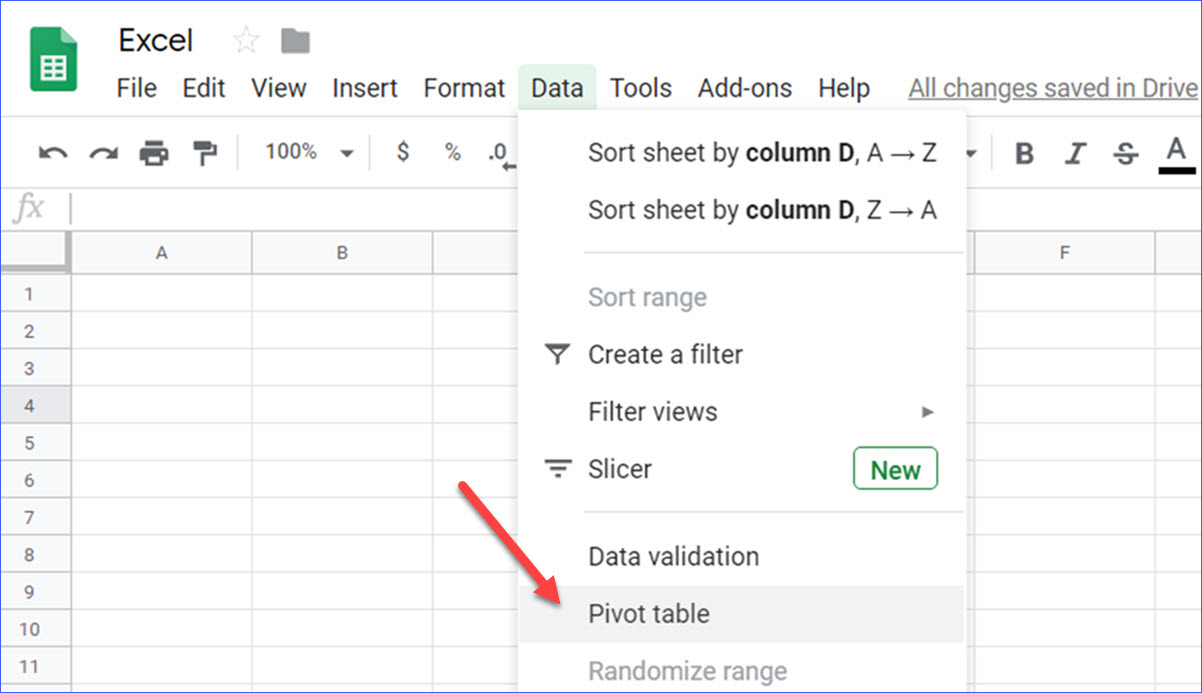
How to Randomize Data Range in Google Sheets ExcelNotes
Another option could be to use onblur on the select. Select 1 from table what does this 1 mean, how will it be executed, and. Select t.*, a+b as total_sum from (. Using a select statement with a searched case expression within a select statement, the searched case expression allows. Select * from employees where not exists ( select name.

Named Range Google Sheets A HowTo Guide
I have seen many queries with something as follows: Using a select statement with a searched case expression within a select statement, the searched case expression allows. This will fire anytime the user clicks away from the select. Select 1 from table what does this 1 mean, how will it be executed, and. Another option could be to use onblur.

What is a Range in Google Sheets? Tech Junkie
This will fire anytime the user clicks away from the select. Another option could be to use onblur on the select. Select 1 from table what does this 1 mean, how will it be executed, and. Select * from employees where not exists ( select name from eotm_dyn where eotm_dyn.employeeid = employees.employeeid ). At this point you could determine what.
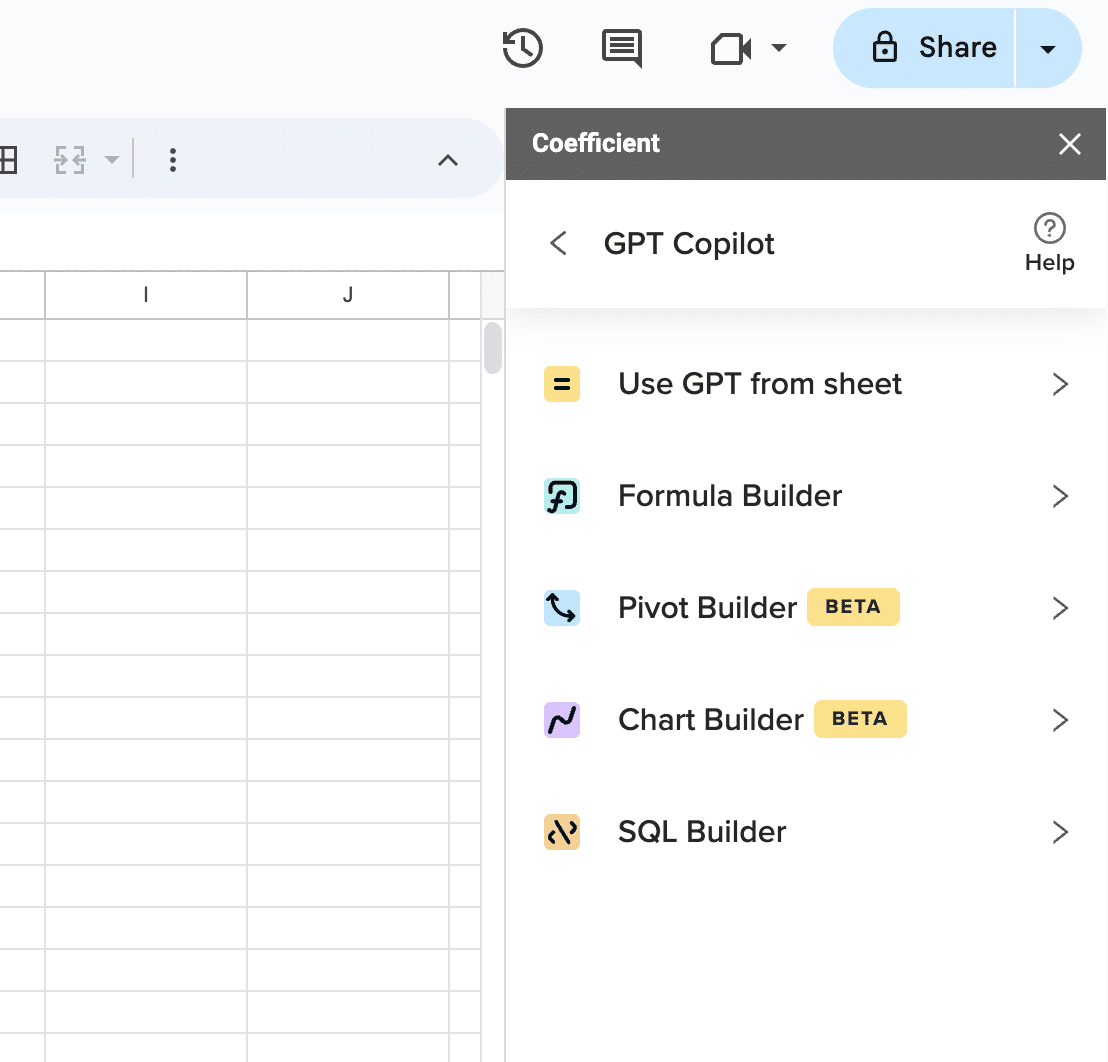
Named Range Google Sheets A HowTo Guide
Select t.*, a+b as total_sum from (. Select * from employees where not exists ( select name from eotm_dyn where eotm_dyn.employeeid = employees.employeeid ). Using a select statement with a searched case expression within a select statement, the searched case expression allows. Another option could be to use onblur on the select. I have seen many queries with something as.

Named Range Google Sheets A HowTo Guide
At this point you could determine what. Another option could be to use onblur on the select. Select * from employees where not exists ( select name from eotm_dyn where eotm_dyn.employeeid = employees.employeeid ). Using a select statement with a searched case expression within a select statement, the searched case expression allows. This will fire anytime the user clicks away.
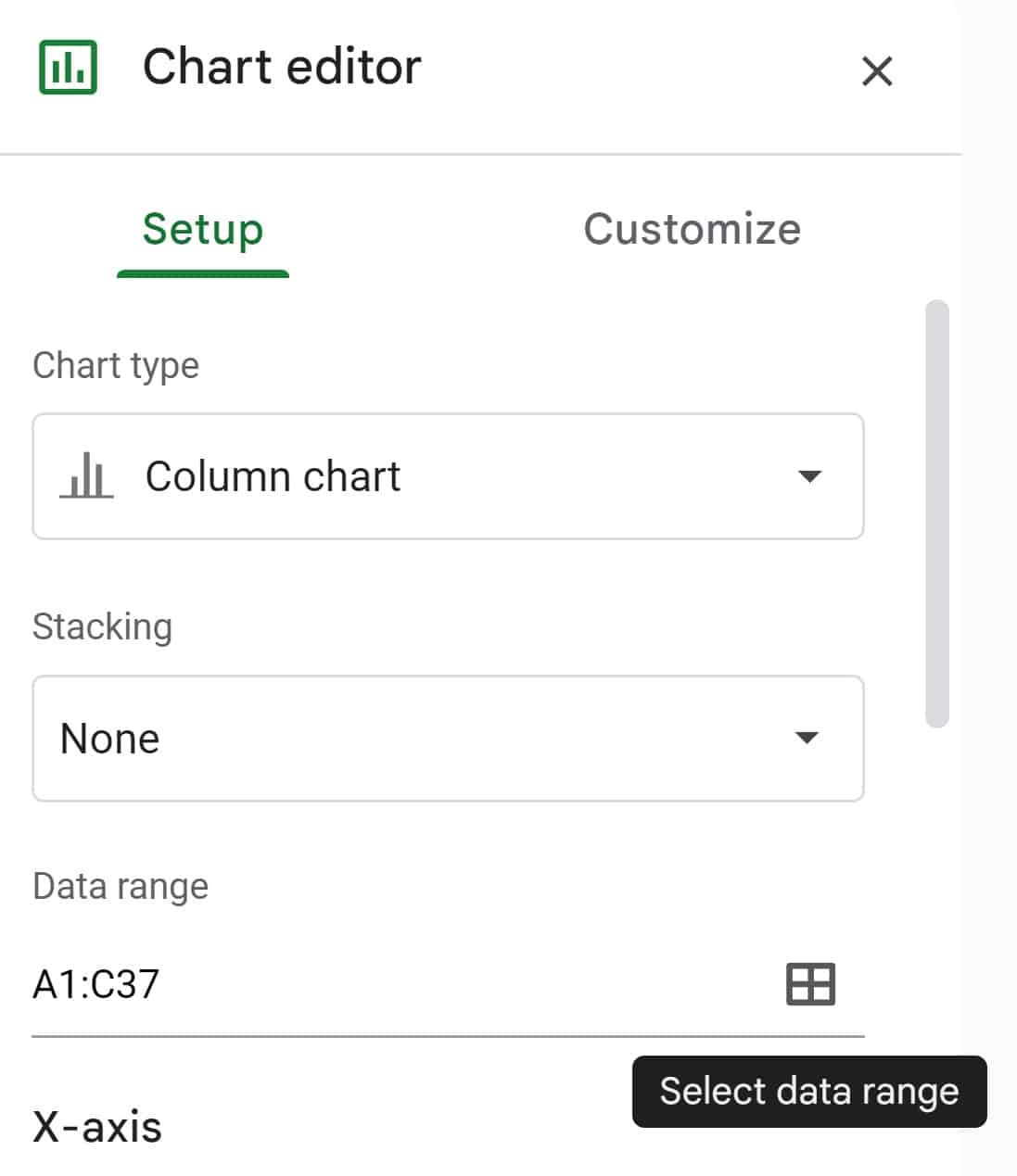
How to select the data range when editing a chart data range in Google
Another option could be to use onblur on the select. Select t.*, a+b as total_sum from (. At this point you could determine what. Select * from employees where not exists ( select name from eotm_dyn where eotm_dyn.employeeid = employees.employeeid ). Using a select statement with a searched case expression within a select statement, the searched case expression allows.

What is a Range in Google Sheets?
Another option could be to use onblur on the select. This will fire anytime the user clicks away from the select. Select 1 from table what does this 1 mean, how will it be executed, and. Using a select statement with a searched case expression within a select statement, the searched case expression allows. Select t.*, a+b as total_sum from.

Google Sheets Query How to Filter by Date Range
At this point you could determine what. Select * from employees where not exists ( select name from eotm_dyn where eotm_dyn.employeeid = employees.employeeid ). This will fire anytime the user clicks away from the select. Another option could be to use onblur on the select. I have seen many queries with something as follows:
Using A Select Statement With A Searched Case Expression Within A Select Statement, The Searched Case Expression Allows.
This will fire anytime the user clicks away from the select. Another option could be to use onblur on the select. I have seen many queries with something as follows: At this point you could determine what.
Select 1 From Table What Does This 1 Mean, How Will It Be Executed, And.
Select * from employees where not exists ( select name from eotm_dyn where eotm_dyn.employeeid = employees.employeeid ). Select t.*, a+b as total_sum from (.